



2026 Hyundai Tucson vs. 2026 Toyota RAV4
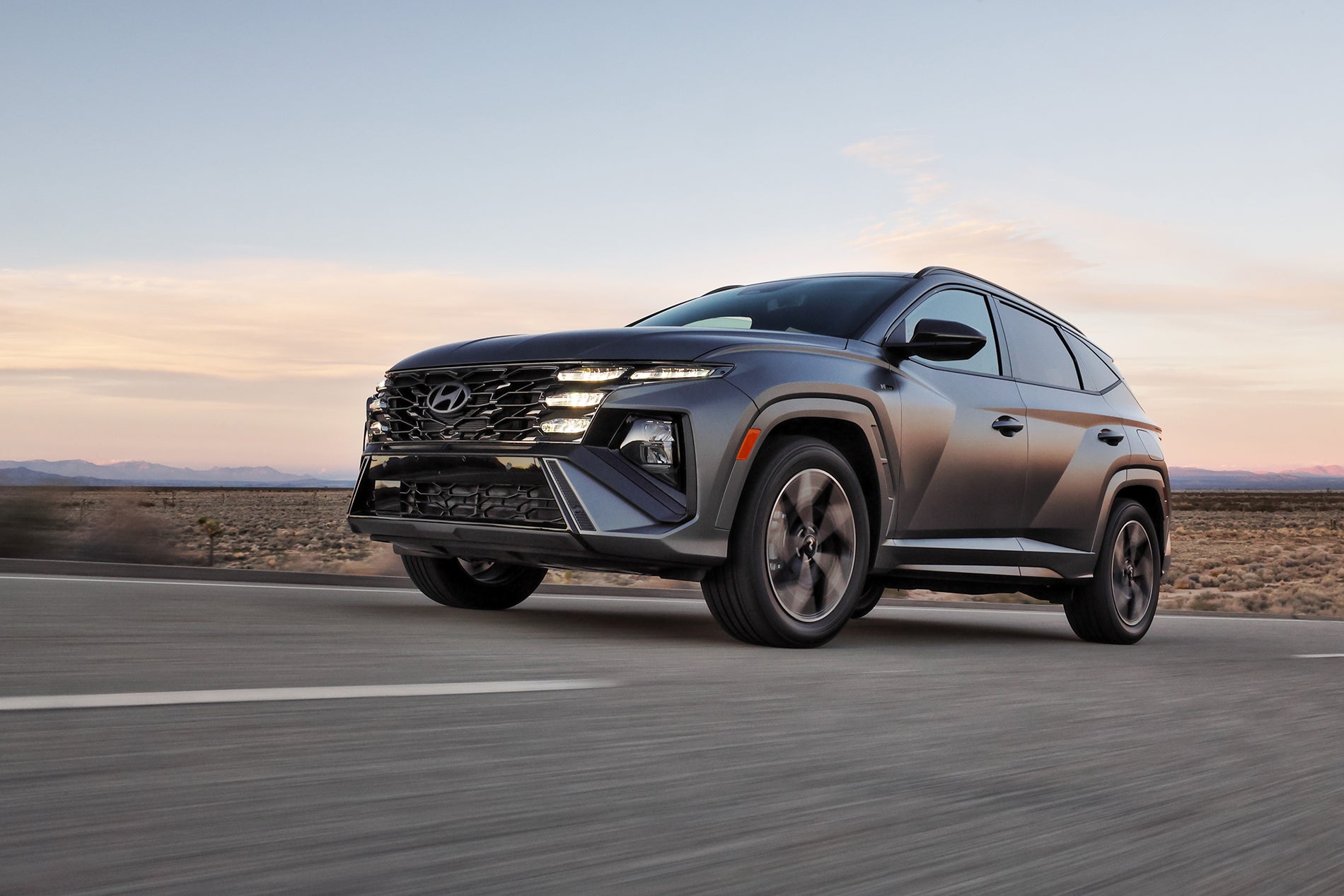
Shopping for a compact SUV in Erie? The 2026 Hyundai Tucson and the all-new 2026 Toyota RAV4 are two of the most popular choices, and this year there’s a major difference: Toyota made the RAV4 hybrid-only, while the Tucson still comes as a gas, hybrid, or plug-in hybrid.
Here's how they compare on price, fuel economy, electric range, cargo, towing, and warranty, so you can choose the right one for driving in Erie and NW Pennsylvania.
The Verdict: Tucson vs. RAV4
For most Erie shoppers, the 2026 Hyundai Tucson provides better value. It costs less at every powertrain level, offers more cargo room behind the rear seats, and is backed by a 10-year/100,000-mile powertrain warranty. That’s twice Toyota's 5-year/60,000-mile coverage.
Where the all-new 2026 Toyota RAV4 shines is its efficiency. The hybrid model is rated up to 43 mpg combined, and its plug-in hybrid offers up to 52 miles of electric driving and 324 horsepower.
If you want gas, hybrid, and plug-in options at a lower price with longer warranty protection, choose the Tucson. Choose the RAV4 if fuel efficiency or electric driving matter most.
2026 Hyundai Tucson vs. 2026 Toyota RAV4: By the Numbers
The Tucson undercuts the RAV4 on price at every level and leads on cargo and warranty. The RAV4 leads when it comes to fuel economy, plug-in range, and towing.
| Spec | 2026 Hyundai Tucson | 2026 Toyota RAV4 |
|---|---|---|
| Powertrains | Gas, Hybrid, Plug-in Hybrid | Hybrid, Plug-in Hybrid (no gas model) |
| Starting MSRP- entry | $29,700 (gas) | $31,900 (Hybrid FWD) |
| Starting MSRP- hybrid | $31,300 | $31,900 FWD / $33,300 AWD |
| Starting MSRP- plug-in hybrid | $40,675 | $41,500 |
| Hybrid output | 231 hp / 271 lb-ft (1.6L turbo, 6-speed automatic) | 226 hp FWD / 236 hp AWD (2.5L, CVT) |
| Hybrid EPA MPG (combined) | Up to 38 (SE; SEL FWD); 36 AWD SEL and up | Up to 43 (FWD); 41–42 AWD |
| Plug-in hybrid output | 268 hp | 324 hp |
| Plug-in electric range | 32 miles (EPA) | Up to 52 miles (Toyota est.) |
| Plug-in MPG as a hybrid (combined) | 35 | Up to 41 (Toyota est.) |
| All-wheel drive | HTRAC: available on gas and Hybrid, standard on Plug-in | Available on Hybrid, standard on Plug-in |
| Cargo behind rear seats | Up to 41.2 cu ft | Up to 37.8 cu ft (33 cu ft Plug-in) |
| Max towing | Up to 2,750 lbs (gas) | Up to 3,500 lbs, properly equipped |
| New-vehicle limited warranty | 5 yr / 60,000 mi | 3 yr / 36,000 mi |
| Powertrain limited warranty | 10 yr / 100,000 mi | 5 yr / 60,000 mi |
| Hybrid battery warranty | 10 yr / 100,000 mi | 10 yr / 150,000 mi |
| Complimentary maintenance | Not included on 2026 models | ToyotaCare 2 yr / 25,000 mi |
Which One Is Best for You?
The gas Tucson starts at $29,700, about $2,200 below the cheapest RAV4.
A 5-year/60,000-mile new-vehicle warranty and 10-year/100,000-mile powertrain warranty beat Toyota's 3-year and 5-year terms.
Up to 41.2 cubic feet behind the rear seats vs. 37.8 in the RAV4.
It starts at $31,300, $600 below the RAV4 Hybrid, and offers HTRAC all-wheel drive.
Up to 43 mpg combined vs. 38 for the Tucson Hybrid.
Up to 52 electric miles vs. 32 for the Tucson Plug-in.
Up to 3,500 lbs vs. 2,750 lbs for the gas Tucson.
Toyota no longer sells a gas-only RAV4.
Warranty: Tucson vs. RAV4
The Tucson's warranty is hard to beat. Hyundai's America's Best Warranty covers the engine and transmission for 10 years or 100,000 miles, versus 5 years or 60,000 miles on the RAV4.
The Tucson's new-vehicle limited warranty also lasts 5 years or 60,000 miles, two years longer than Toyota's 3-year/36,000-mile coverage. On Tucson Hybrid and Plug-in Hybrid models, the battery and key hybrid components are covered for 10 years or 100,000 miles.
Where Toyota has an edge: its hybrid battery warranty runs 10 years or 150,000 miles and transfers to the next owner. The RAV4 also includes ToyotaCare scheduled maintenance for 2 years or 25,000 miles. Hyundai ended complimentary maintenance starting with 2026 models, but you can ask our team about available maintenance plans to make it more affordable.
Hybrid and Plug-in Hybrid: How They Compare
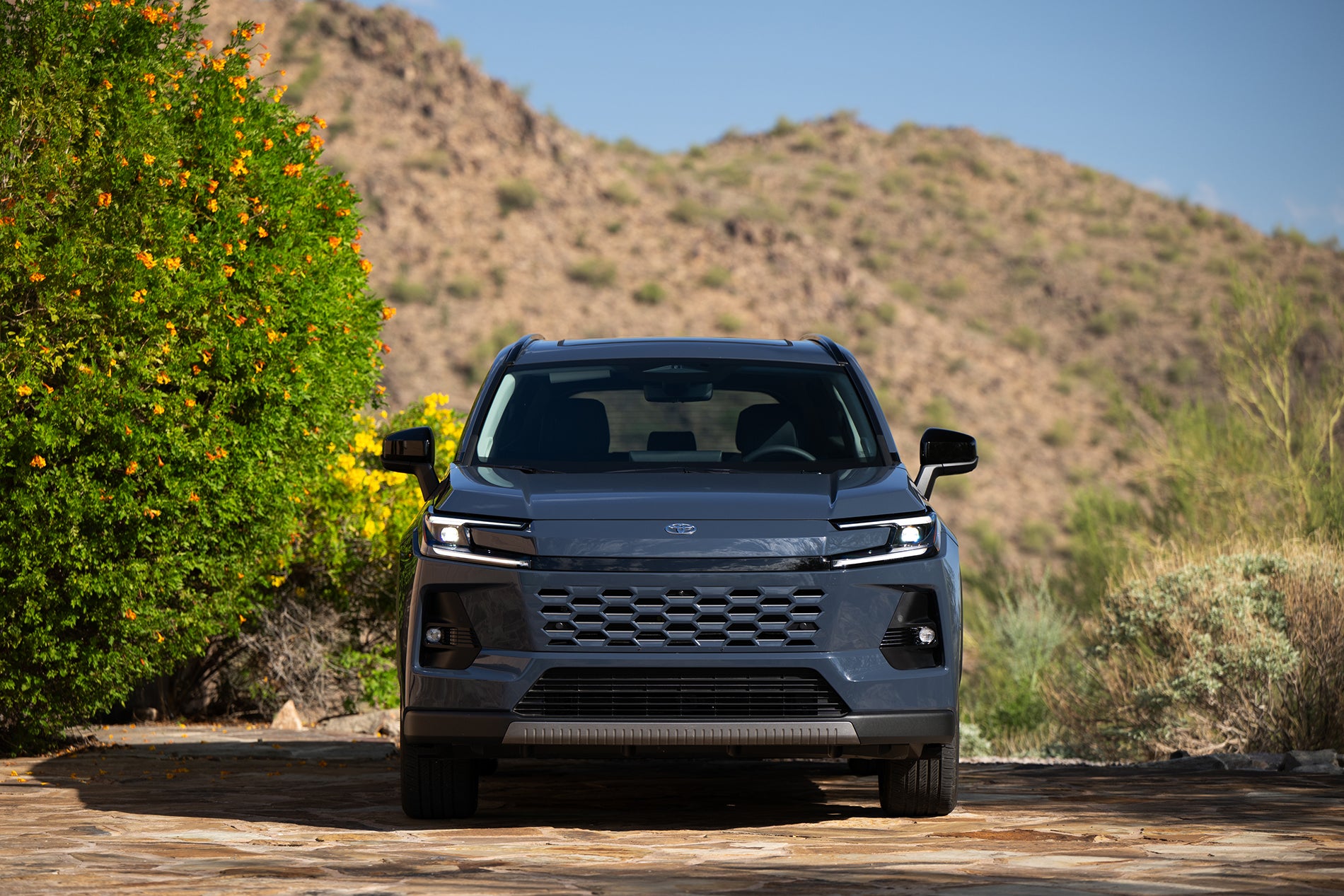
- Tucson Hybrid vs. RAV4 Hybrid. The RAV4 Hybrid is more efficient, at up to 43 mpg combined vs. 38 mpg. The Tucson Hybrid offers a lower starting price, more torque, a conventional 6-speed automatic, and available HTRAC all-wheel drive.
- Tucson Plug-in Hybrid vs. RAV4 Plug-in Hybrid. The RAV4 Plug-in goes farther on electricity and provides more horsepower. The Tucson Plug-in starts about $800 lower and is built for daily commutes: 32 electric miles covers plenty of round trips around Erie.
- What this means for Erie winters. Cold weather reduces electric range on any plug-in. Both plug-ins switch to hybrid mode when the battery runs low, so you won’t have any range anxiety on lake-effect snow days. HTRAC AWD is available on every Tucson and standard on the Plug-in Hybrid.
- Still want gas? The Tucson is the only one of the two still sold with a gas-only engine: a 187-horsepower 2.5L with up to 2,750 lbs of towing. Browse 2026 Hyundai Tucson Hybrid inventory.
Tucson vs. RAV4 FAQ
In terms of value and warranty, yes. The Tucson starts at a lower price, has more cargo space behind the rear seats, and comes with a 10-year/100,000-mile powertrain warranty. The RAV4 is better if fuel economy, plug-in electric range, or towing are your priorities.
The Tucson. The 2026 Hyundai Tucson price starts at $29,700, the Tucson Hybrid at $31,300, and the Tucson Plug-in Hybrid at $40,675. The 2026 RAV4 starts at $31,900, and the RAV4 Plug-in Hybrid at $41,500. Prices are base MSRP before destination.
No, Toyota discontinued the gas-powered RAV4, so every 2026 RAV4 is a hybrid or plug-in hybrid. The 2026 Tucson is still offered with a gas-only 2.5L engine, plus hybrid and plug-in hybrid versions.
The RAV4 Hybrid, at up to 43 mpg combined. The Tucson Hybrid is rated up to 38 mpg combined on the SE and front-wheel-drive SEL, and 36 mpg on all-wheel-drive SEL and higher trims.
The Tucson Plug-in Hybrid has an EPA-estimated 32 miles of electric range. Toyota estimates up to 52 miles for the RAV4 Plug-in Hybrid. Both switch to hybrid mode when the battery runs low.
Hyundai, for most coverage. The Tucson gets a 5-year/60,000-mile new-vehicle warranty and a 10-year/100,000-mile powertrain warranty, vs. 3 years/36,000 miles and 5 years/60,000 miles on the RAV4. Toyota's hybrid battery warranty is longer, at 10 years/150,000 miles.
The Tucson, with up to 41.2 cubic feet behind the rear seats. The 2026 RAV4 offers up to 37.8 cubic feet, or 33 cubic feet in the plug-in hybrid.
Both offer all-wheel drive. HTRAC AWD is available on every Tucson and standard on the Plug-in Hybrid, helping with the lake-effect snow common around Erie, Fairview, Edinboro, North East, and McKean.
Explore the Hyundai Tucson near you at Dave Hallman Hyundai, 2104 State Street, Erie, PA 16503. Schedule a Tucson test drive online or call 814-209-7191.
Test Drive the 2026 Tucson at Dave Hallman Hyundai
The best way to settle Tucson vs. RAV4 is from the driver's seat. Dave Hallman Hyundai at 2104 State Street in Erie stocks gas, hybrid, and plug-in hybrid Tucsons, and proudly serves Fairview, Edinboro, North East, McKean, and Meadville.
- Shop 2026 Tucson inventory
- See current Tucson specials
- Apply for Auto Financing
- Schedule a test drive or call 814-209-7191
Also comparing Honda? Read our Tucson vs. CR-V breakdown.
Disclaimers
Prices are manufacturer base MSRP excluding destination, taxes, and fees. EPA estimates; actual mileage varies. See current Tucson specials for Erie pricing.
Dave Hallman Hyundai
Address
2104 State Street
Erie, PA 16503
Phone
- Sales 814-209-7191814-209-7217
- Service 814-209-7274
- Parts 814-209-7275
| Monday | 9:00AM - 8:00PM |
| Tuesday | 9:00AM - 7:00PM |
| Wednesday | 9:00AM - 6:00PM |
| Thursday | 9:00AM - 7:00PM |
| Friday | 9:00AM - 7:00PM |
| Saturday | 9:00AM - 4:00PM |
| Sunday | Closed |
| Monday | 7:00AM - 5:30PM |
| Tuesday | 7:00AM - 5:30PM |
| Wednesday | 7:00AM - 5:30PM |
| Thursday | 7:00AM - 5:30PM |
| Friday | 7:00AM - 5:30PM |
| Saturday | 8:00AM - 1:00PM |
| Sunday | Closed |
| Monday | 7:30AM - 5:30PM |
| Tuesday | 7:30AM - 5:30PM |
| Wednesday | 7:30AM - 5:30PM |
| Thursday | 7:30AM - 5:30PM |
| Friday | 7:30AM - 5:30PM |
| Saturday | 8:00AM - 1:00PM |
| Sunday | Closed |