



How long do Hyundai Tucson Engines Last?
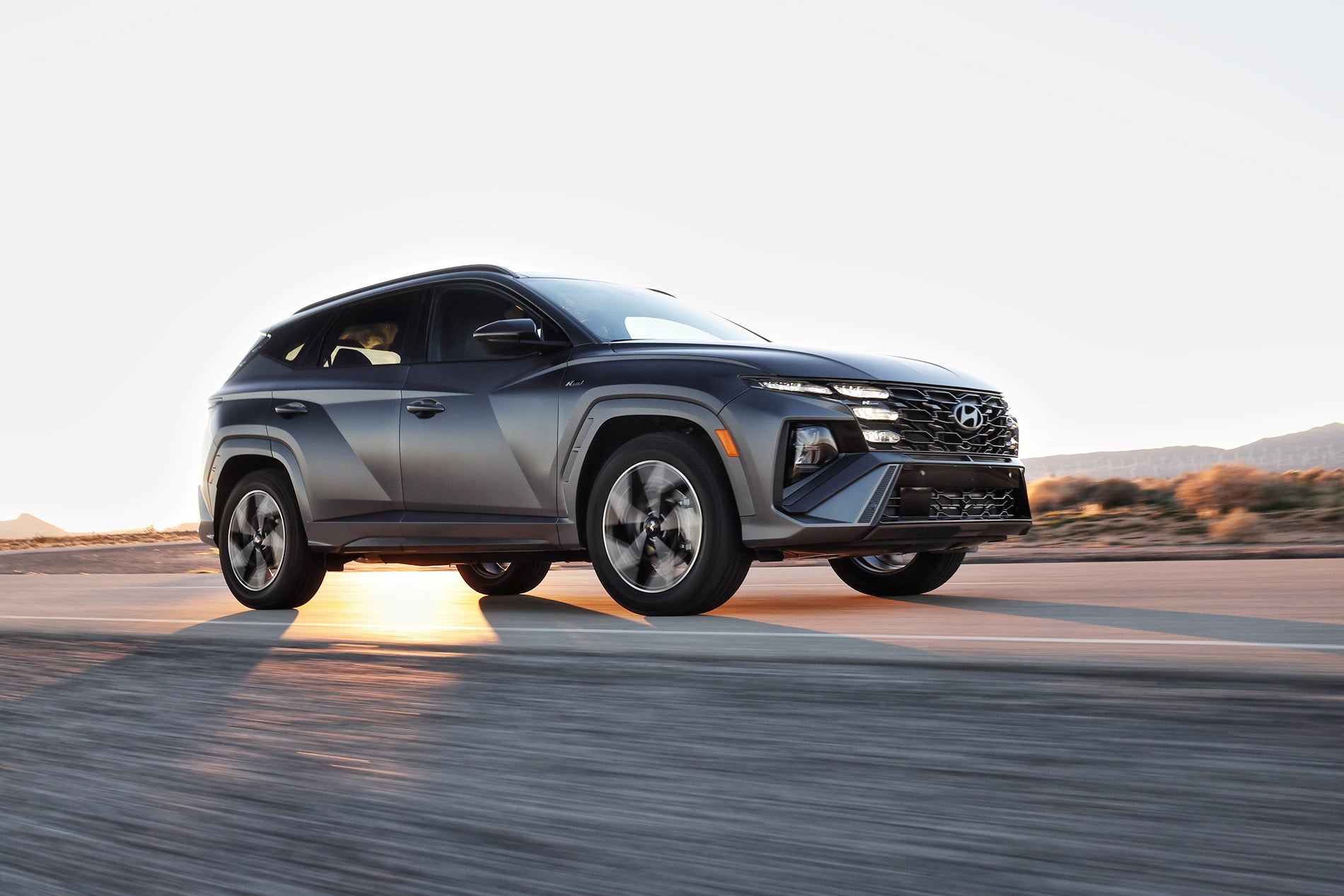
The Hyundai Tucson is designed for longevity. With proper care, this reliable, compact SUV can often reach over 200,000 miles. Your maintenance habits and Erie, PA, driving conditions can have an impact on your Tucson’s long-term reliability, and our team at Dave Hallman Hyundai is here to show you how.
When consistently taking care of your Hyundai Tucson, it can typically last between 150,000 and 200,000 miles, with many owners even reaching 300,000 miles or more. The goal is to get your Tucson to this milestone, but regular maintenance, smooth driving habits, and addressing potential issues early on are key to achieving it.
Hyundai Tucson Engine Longevity Overview
Drivers who regularly maintain their Hyundai Tucson can enjoy as many as 12 to 15 years of dependable driving. With that, how long your Tucson truly lasts on the road depends on what’s under the hood.
Newer Tucsons are equipped with a 2.5-liter four-cylinder gas engine that has proven reliable. These engines can be expected to last between 200,000 and 250,000 miles with proper maintenance, making them the most durable engine option in the Tucson lineup.
Another popular choice is the 1.6-liter Turbo Hybrid, which can be expected to last approximately 180,000 to 200,000. The engine experiences less stress over time, thanks to the hybrid system sharing the load. It’s important to remember that longevity also depends on battery maintenance, so it’s imperative to take care of the hybrid system as well.
The 1.6-liter Plug-In Hybrid is not only an eco-friendly choice, but also a reliable choice. With a lifespan of 170,000 to 210,000, the hybrid engine lightens the load on the gas engine, increasing its longevity through EV driving.
If you’re looking at a pre-2019 Tucson, its 2.0-liter and 2.4-liter engines often last around 150,000 to 200,000 miles. Although you can see longevity in these engines, earlier models were affected by bearing wear and knocking issues, so be sure to get a thorough inspection and review the service history before purchasing.
No matter which Tucson you drive, regular maintenance is the single biggest factor in reaching these mileage milestones. The team at Dave Hallman Hyundai can help you keep your Tucson running strong for years to come.
Common Factors That Affect Hyundai Tucson Engine Life
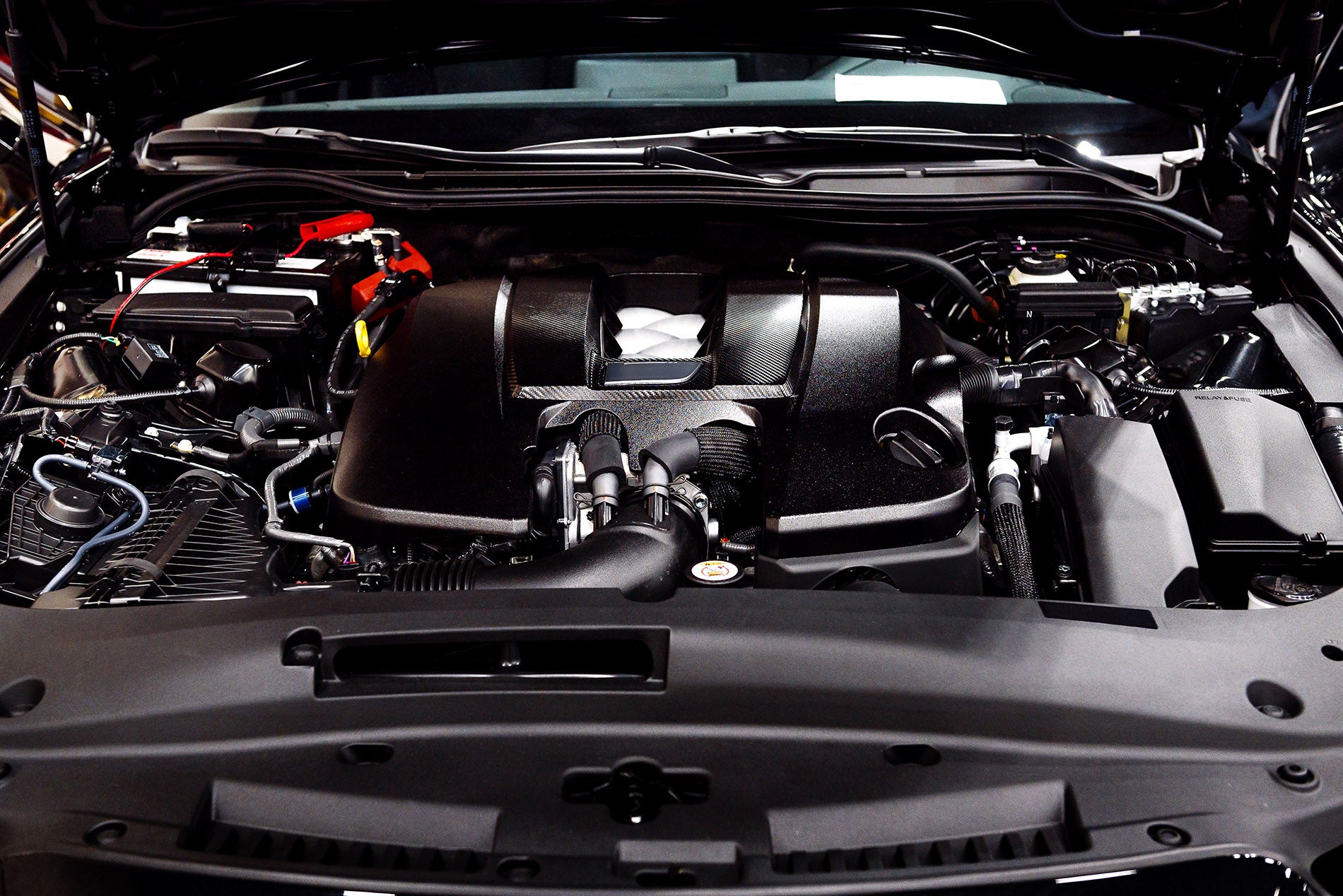
While a Tucson is a reliable choice, high mileage doesn’t happen by chance. Many factors play into how long the engine will remain healthy, and understanding them can help ensure you get the most out of your Tucson.
- Maintenance habits: Staying on track with Hyundai’s recommended service schedule is the most effective way to support your Tucson’s longevity. This includes changing the oil every 3,000 to 5,000 miles, replacing the air and oil filters regularly, and servicing your coolant and transmission as outlined in your owner’s manual. Skipping the basics is a non-negotiable for engine life.
- Driving habits: This matters more than you realize. A smooth, steady driving style can extend the life of your engine. Try adopting habits such as easing off the gas and brakes instead of stopping and going aggressively, cutting down on idling in long stretches of traffic, and avoiding extended high-speed runs when you can. Consistent throttle use at moderate speeds is the best way to protect your engine for years to come.
- Be aware of common engine issues: This detail is especially important when shopping used. Some Tucson models prior to 2019 experienced engine knocking and premature bearing wear. Hyundai sent out recalls for this issue and rolled out a Knock Sensor Detection System to alert drivers at the first sign of trouble. If an issue comes up, don’t ignore it and act on it quickly, as it can keep a minor issue from becoming something major.
- Warranty coverage: A warranty can give you peace of mind when it comes to caring for your vehicle. Newer Tucson models are backed by Hyundai's 10-year/100,000-mile powertrain warranty, one of the most generous warranties in the industry. It protects major engine components and drivetrain systems, transfers to Certified Pre-Owned vehicles, and helps support strong resale value down the road.
Real-World Longevity for Erie Drivers
Your local climate plays a big role in how your Hyundai Tucson will hold up in the long run. In an area like Erie, PA, we endure lake-effect snow, cold starts, and salted winter roads, all conditions that put a different kind of stress on your vehicle than those who live in a warmer climate. Here’s how Erie’s environment can affect your Tucson engine’s maintenance and performance.
- Harsh winters and cold starts: The impact on your engine is moderate to high. Frigid winters make your engine work harder every time you start your vehicle to head out in the morning. Using a quality synthetic oil rated for cold weather pays off, and be sure to check your battery and antifreeze levels before the cold snap.
- Lake-effect snow and road salt: The impact on your engine is moderate. Erie’s months of heavy snowfall lead to driving day after day on salt-slushy roads, and extended exposure to that salt takes a toll on a vehicle over time. Wash your undercarriage regularly throughout the winter to protect it against corrosion and to keep it running cleanly.
- Short winter trips and stop-and-go driving: The impact on your engine is moderate. Taking short trips around town when the weather’s cold doesn’t allow the engine to reach its full operating temperature, which can affect your engine’s performance in the long run. To offset wear and tear on your engine, opt for shorter oil change intervals to keep everything running smoothly.
- Dusty or rural roads: The impact on your engine is moderate to high. Driving country roads on a regular basis increases the amount of dirt and debris in your air filter. If your route takes you on the road less traveled, replace your air filters every 10,000 to 12,000 miles for optimal airflow to the engine.
- Long highway commutes: The impact on your engine is low. Commuting along routes like I-90 and I-79 is easy on your Tucson. Steady highway driving is typically gentler on your engine than stop-and-go trips through the city.
- Towing and heavy loads: The impact on your engine is moderate. Hauling every once in a while is no big deal, but frequent heavy towing can put extra strain on your engine’s bearings.
Tips to Extend the Life of Your Hyundai Tucson Engine
- The single most important tip: Stick to the manufacturer's maintenance schedule to keep your engine running long-term.
- Opt for OEM-quality oil and filters. Genuine Hyundai parts ensure compatibility and reliability. In some cases, non-OEM parts can compromise performance and durability.
- Keep tires inflated to the proper PSI. Correct pressure reduces strain on the drivetrain and improves fuel efficiency.
- Don't ignore knocking, ticking, or a rough idle. Catching small engine problems early prevents costly repairs.
- Get a pre-purchase inspection if you’re buying used, so you know exactly what you're getting before you sign.
- Maintain a regular oil change schedule. Hyundai typically recommends an oil change around every 7,500 miles or six months, whichever comes first, to keep the engine lubricated and prevent excessive wear.
- Rotate your tires regularly. Rotating tires at oil-change intervals evens out wear patterns, extends tire life, and improves handling and safety.
- Don't skip transmission fluid service. Changing the transmission fluid at around 60,000 miles helps maintain smooth shifting, reduce wear, and prevent overheating.
- Replace air and cabin filters as scheduled. A clean engine air filter keeps dirt and debris out, ensuring optimal airflow and fuel efficiency.
- Inspect belts and hoses. Belts can crack, fray, or stretch, and hoses can leak or grow brittle over time, so regular inspections let you replace worn components before they fail.
- Respond to dashboard warning lights right away. Addressing warning lights promptly keeps minor issues from escalating into major repairs.
- Wash the undercarriage throughout the wintertime. Especially important in Erie, where months of road salt can cause corrosion of key components.
Is the Hyundai Tucson a Good Long-Term SUV?
It absolutely is. The Tucson is one of Hyundai’s most durable SUVs and stacks up against the competition in the compact SUV segment, including the Honda CR-V and Toyota RAV4. With proper maintenance of your Tucson engine, you can likely cruise past 200,000 miles without trouble before major repairs are needed.
Keep Your Tucson Running for the Long Haul at Dave Hallman Hyundai
A Hyundai Tucson is built to go the distance, and how far it goes is in your hands. With regular maintenance, smart driving habits, and a little extra TLC during Erie's tough winters, there's no reason your Tucson can't deliver well over 200,000 miles of reliable service.
Whether you're caring for the Tucson you already own or shopping for your next one, the team at Dave Hallman Hyundai is here to help.
Our certified service department can keep your engine running its best for years to come, and our sales team can walk you through the Tucson lineup to find the right fit for your family. Stop by Dave Hallman Hyundai in Erie, contact us, or schedule your service appointment today, and let's keep you on the road for the long haul.
Dave Hallman Hyundai
Address
2104 State Street
Erie, PA 16503
Phone
- Sales 814-209-7191814-209-7217
- Service 814-209-7274
- Parts 814-209-7275
| Monday | 9:00AM - 8:00PM |
| Tuesday | 9:00AM - 7:00PM |
| Wednesday | 9:00AM - 6:00PM |
| Thursday | 9:00AM - 7:00PM |
| Friday | 9:00AM - 7:00PM |
| Saturday | 9:00AM - 4:00PM |
| Sunday | Closed |
| Monday | 7:00AM - 5:30PM |
| Tuesday | 7:00AM - 5:30PM |
| Wednesday | 7:00AM - 5:30PM |
| Thursday | 7:00AM - 5:30PM |
| Friday | 7:00AM - 5:30PM |
| Saturday | 8:00AM - 1:00PM |
| Sunday | Closed |
| Monday | 7:30AM - 5:30PM |
| Tuesday | 7:30AM - 5:30PM |
| Wednesday | 7:30AM - 5:30PM |
| Thursday | 7:30AM - 5:30PM |
| Friday | 7:30AM - 5:30PM |
| Saturday | 8:00AM - 1:00PM |
| Sunday | Closed |